🌿 Core Principles of Eco-Friendly Interior Design
An environmentally conscious interior revolves around the concepts of Reduce, Reuse, Recycle, and Renew.
🛠️ Sustainable Materials and Finishes
Focus on materials that are responsibly sourced, non-toxic, and durable.
1. Flooring and Structure
• Reclaimed Wood: Wood salvaged from old barns, factories, or crates. It adds character and prevents deforestation.
• Cork: Harvested from the bark of cork oak trees without harming the tree; it’s a renewable, insulating, and naturally antibacterial material.
• Bamboo: A rapidly renewable resource that grows much faster than traditional hardwood.
• Recycled/Recyclable Tiles: Look for tiles made from recycled glass, porcelain, or ceramics.
2. Paints and Finishes
• Low- or Zero-VOC Paints: Volatile Organic Compounds (VOCs) are toxic chemicals found in many traditional paints that off-gas into your home, reducing indoor air quality. Choosing low- or zero-VOC paint is essential for a healthy space.
• Natural Plasters: Clay or lime plasters are natural, breathable, and beautiful alternatives to conventional paint.
3. Textiles and Fabrics
• Organic Natural Fibers: Choose fabrics for upholstery, curtains, and bedding made from:
• Organic Cotton, Linen, and Hemp: Grown without harmful pesticides.
• Wool: A natural, biodegradable, and durable material.
• Recycled Materials: Look for rugs and textiles made from recycled plastic bottles (PET) or recycled cotton.
🛋️ Furniture and Decor Choices
Upcycle and Buy Second-Hand
• Vintage and Antique: Furniture that has already stood the test of time is inherently sustainable. Shopping at thrift stores, flea markets, and consignment shops reduces demand for new manufacturing.
• Upcycling/Refurbishing: Give an old piece of furniture new life with a coat of low-VOC paint, new hardware, or by repurposing its function.

Choose Eco-Conscious New Items
• Look for furniture made with FSC-certified wood, which ensures it comes from responsibly managed forests.
• Prioritize pieces that are durable and timeless to avoid needing replacements quickly.
💡 Energy Efficiency and Lighting
Making your home energy efficient is a major part of eco-friendly design.
• LED Lighting: Switch all incandescent bulbs to LEDs, which use significantly less energy and last much longer.
• Maximize Natural Light: Use light-colored walls and sheer window treatments to reflect light deeper into the room, reducing the need for artificial lighting during the day.
• Smart Technology: Install a smart thermostat or smart lighting systems to optimize energy use and reduce waste.
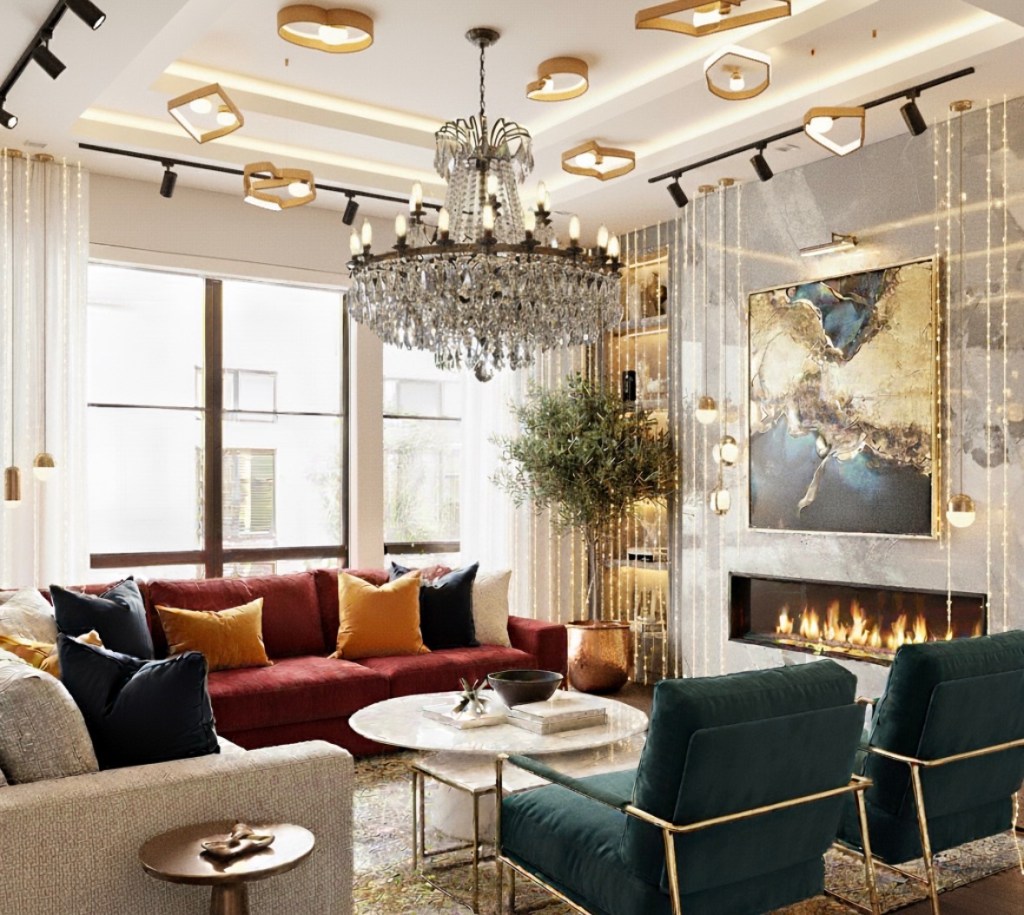
💚 Bring Nature In: Biophilic Design
The “green” in eco-friendly also refers to the color and presence of nature.
• Indoor Plants: Integrate air-purifying plants like snake plants, spider plants, or peace lilies. They improve air quality, reduce stress, and connect your space to the natural world.
• Earthy Color Palettes: Use colors inspired by nature—think sage green, terracotta, deep olive, sand, and wood tones—to create a calm and grounded atmosphere.
• Natural Accents: Use decorative elements like bowls of natural stones, woven wicker baskets, rattan furniture, and wood accents.

 DesignArcade